

Strength Training for Roller Skating: 2-Day Workout Plan
Strength training for roller skating can improve the capacity to hold a low stance, control single-leg positions and repeat pushes without technique collapsing. It does not replace time on skates. A useful plan builds general strength around the skating schedule instead of exhausting the legs before important skill sessions.
Quick answer: train the major muscle groups twice a week with squat, hinge, single-leg, push, pull and trunk movements. Begin with loads that allow controlled repetitions, leave recovery between sessions and progress one variable at a time.
What skaters need from strength work
- Hip and knee strength to support stance and repeated push-off.
- Single-leg control for balance as body mass moves over one skate.
- Posterior-chain capacity through glutes, hamstrings and back.
- Trunk control so the torso remains organised while the legs move.
- Upper-body strength for balance, falls and complete physical preparation.
Exercises do not need to look exactly like skating to be useful. General strength movements are easier to load and measure, while skating sessions provide the sport-specific timing and edge control.
How often should roller skaters lift?
The CDC says adults need muscle-strengthening activity on at least two days each week in addition to aerobic activity. Two full-body sessions are a practical starting point for many recreational skaters. Competitive athletes may need an individual programme from a qualified coach.
Place demanding lower-body lifting away from hard skating, racing or new-skill practice. A simple week might use strength on Monday and Thursday, easier skating on Tuesday, skill or interval skating on Saturday and recovery between.
Warm up for the movements you will train
- Begin with five to ten minutes of easy movement.
- Move the ankles, hips, shoulders and trunk through comfortable ranges.
- Perform one or two light practice sets of the first exercise.
- Increase load gradually while checking balance and technique.
A warm-up should prepare the session rather than become a tiring workout. Pain, dizziness, chest symptoms or unusual shortness of breath are reasons to stop and seek appropriate medical advice.
Two-day strength plan
| Day A | Starting volume | Purpose |
|---|---|---|
| Goblet squat or supported squat | 2–3 sets of 6–10 | General hip and knee strength |
| Romanian deadlift or hip hinge | 2–3 sets of 6–10 | Glutes, hamstrings and hinge control |
| Split squat with support | 2 sets of 6–8 each side | Single-leg capacity |
| Row | 2–3 sets of 8–12 | Upper back and pulling strength |
| Side plank | 2 sets of 15–30 seconds each side | Lateral trunk control |
| Day B | Starting volume | Purpose |
|---|---|---|
| Step-up | 2–3 sets of 6–10 each side | Single-leg hip and knee strength |
| Hip bridge or hip thrust | 2–3 sets of 8–12 | Hip extension capacity |
| Calf raise with support | 2 sets of 10–15 | Ankle and lower-leg strength |
| Push-up or dumbbell press | 2–3 sets of 6–12 | Upper-body pushing strength |
| Dead bug or loaded carry | 2–3 controlled sets | Trunk stiffness and breathing control |
The table is an example, not a medical prescription. Use stable versions and a range of motion you can control. A qualified strength professional can modify the plan for injury history, age, disability or competition goals.
How hard should the sets feel?
Finish most starting sets with several good repetitions still possible. The last repetitions should require focus without causing the back, knees or feet to lose position. Add load only after every prescribed repetition looks consistent.
Progress by adding one or two repetitions, a small amount of load or one set—not all three together. Record the exercise, load and repetitions so progress is based on evidence rather than memory.
Single-leg work without wobble contests
Hold a rack, wall or stable support when learning split squats and step-ups. The goal is to load the working leg through a controlled path, not to turn every set into a balance test. Unsupported versions can come later.
Do not perform heavy lifts while wearing skates. Strength training belongs on a stable floor in suitable footwear. Skate-specific drills belong in a separate session with clear space and protective equipment.
Three verified items for the skating sessions
The strength plan supports skating, so the products below are for the on-skate sessions that accompany it—not for lifting. These Bont products were checked against Speedskating.com’s Amazon affiliate inventory. Confirm size and listing details before ordering.
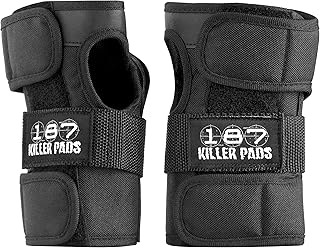
187 Killer Pads wrist guards
These wrist guards are a skating-specific alternative to compare. Follow the live measurement guidance, wear each guard in the intended orientation and confirm free finger movement without tingling.

Bont Pro knee pads
These hard-cap pads are relevant to skating practice after strength work has been recovered. Measure against the current chart.

Triple Eight Saver Series protective pad set
This three-piece knee, elbow and wrist protection set is a useful alternative for recreational skating. Check the live size chart, secure every strap and confirm that each hard cap stays centred through a full skating stance.

Combine strength and skating
- Keep technical skate practice fresh and controlled.
- Do not schedule hard leg training immediately before a key skate session.
- Reduce lifting volume during racing or demanding skill weeks.
- Use easy skating or complete rest when soreness changes movement.
- Review the fitness inline skating starter guide for progressive on-skate sessions.
Frequently asked questions
Do squats make someone a better roller skater?
Squats can build general leg strength, but edge control, timing and stopping still require skating practice.
Should skaters lift heavy weights?
Load is individual. Beginners can progress with body weight or light resistance. Heavier training should follow competent technique and appropriate supervision.
Can strength training prevent skating injuries?
No programme can prevent every injury. Strength is one part of preparation alongside skill, equipment, recovery and environment.
Train what skating does not cover
Use two concise full-body sessions to build capacity, then practise the sport while fresh enough to learn. Consistency, controlled progression and recovery matter more than a complicated exercise list. The roller skates hub and protective pads guide cover the equipment side.
This article contains paid affiliate links. Speedskating.com may earn a commission from qualifying purchases at no additional cost to you.


