

Inline Skating for Fitness: Body Changes and 6-Week Plan
Inline skating for fitness can develop aerobic capacity, leg endurance, balance and skating skill when sessions are repeated and progressed gradually. It cannot promise a particular body shape or transformation. Changes depend on starting fitness, technique, session intensity, recovery, eating pattern and individual biology.
Quick answer: use two or three controlled skating sessions each week, add two strength sessions and increase one variable at a time. Track skill, recovery and aerobic tolerance before focusing on speed or appearance.
What inline skating trains
Aerobic capacity
Steady skating can raise breathing and heart rate for a sustained period. Hills, wind, surface and technique change the demand, so session intensity is more informative than distance alone.
Leg and hip endurance
The skating stance challenges the hips and knees while repeated pushes load the glutes, thighs and lower legs. As technique improves, a skater may travel farther with less unnecessary tension.
Dynamic balance and coordination
Moving body mass over one rolling skate requires timing and balance. Those skills are task-specific and improve through deliberate skating practice, not gym work alone.
General physical activity
Skating can contribute to the weekly movement adults need. The CDC recommends at least 150 minutes of moderate-intensity aerobic activity or 75 minutes of vigorous activity each week, plus muscle strengthening on two days.
What changes might be noticed first?
| Time frame | Possible observation | Important limit |
|---|---|---|
| First sessions | Rapid skill learning, local muscle fatigue and greater awareness of balance | Soreness is not proof of a better workout |
| Several weeks | Longer controlled glides, steadier breathing and improved confidence | Progress varies with frequency and starting level |
| Longer term | Better aerobic fitness, leg endurance and technical efficiency | Body-composition change is not guaranteed |
The scale may remain unchanged while fitness or skill improves. Conversely, rapid weight change is not a reliable measure of safe progress. Use several indicators rather than one.
Inline skating and body composition
Physical activity increases energy expenditure, but body-weight change depends on the balance between energy consumed and used over time. The NIDDK explains that activity can support weight loss or maintenance alongside an eating plan that can be sustained. It also notes that physical activity has health benefits even when weight does not change.
Avoid calorie-burn promises based only on time. Body mass, speed, wind, terrain, efficiency and rest periods all change energy use. Consumer devices provide estimates rather than direct laboratory measurement.
Six-week inline skating fitness plan
Weeks 1–2: control
- Two or three sessions of 15–25 minutes.
- Flat, smooth and traffic-free practice area.
- Focus on stance, wide turns and a reliable stopping method.
- Keep effort easy enough to repeat the next session.
Weeks 3–4: steady volume
- Three sessions of 20–35 minutes.
- Two steady sessions and one technique-focused session.
- Add distance only when stopping remains predictable.
- Keep at least one recovery day between demanding sessions.
Weeks 5–6: controlled variety
- Two steady sessions of 30–45 minutes.
- One optional interval session: short moderate efforts with complete control.
- Continue two general strength sessions if recovery allows.
- Do not add hills until speed control is established.
Repeat a week rather than progressing when technique deteriorates, equipment creates pain or fatigue remains high. The fitness inline skating starter guide expands the beginner skill progression.
How to judge intensity
At a moderate effort, breathing is faster but conversation remains possible. At a vigorous effort, only a few words may be comfortable before a breath. Beginners should spend most time at an easy or moderate effort while learning to stop and navigate.
Heart-rate targets are individual and can be affected by medication, heat and health conditions. People with chronic conditions, current symptoms or uncertainty about exercise should seek health-professional advice.
Strength work completes the plan
Skating does not train every major muscle group through a full strength range. Use the strength training for roller skating plan for squat, hinge, single-leg, push, pull and trunk movements on two days each week.
Avoid hard leg lifting immediately before technical skating. Fatigue can change stance, braking and reaction time even when motivation remains high.
Three verified protection options
These Bont products were checked against Speedskating.com’s existing Amazon affiliate inventory. The images are owner-authorized. Confirm size, intended activity and live listing details before ordering.
Bont inline skating helmet
A recreational inline skating helmet option. Measure the head and verify the activity statement and certification label on the delivered helmet.


Triple Eight Saver Series protective pad set
This three-piece knee, elbow and wrist protection set is a useful alternative for recreational skating. Check the live size chart, secure every strap and confirm that each hard cap stays centred through a full skating stance.

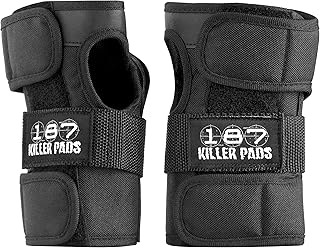
187 Killer Pads wrist guards
These wrist guards are a skating-specific alternative to compare. Follow the live measurement guidance, wear each guard in the intended orientation and confirm free finger movement without tingling.
Track progress without body-image promises
- Minutes completed at a controlled effort.
- Stopping distance on the same safe surface.
- Number of balanced strides or one-foot glides.
- Recovery and energy the following day.
- Resting symptoms, pain or recurring fit problems.
- Strength-session repetitions and load.
Photographs, scales and wearable calorie estimates can create noise. Use them only when they support a healthy goal and do not replace skill, recovery or medical guidance.
Common mistakes
Adding speed before braking skill
Large wheels, hills and intervals increase stopping demands. Develop control first.
Making every session hard
Fitness improves during recovery as well as training. Keep most sessions repeatable.
Ignoring fit and maintenance
Numb feet, loose hardware and badly worn wheels are not training challenges. Stop and correct the setup using the pre-skate checklist.
Expecting skating to replace strength work
Skating is specific. General strength training covers movement patterns and muscle groups that skating may underload.
Frequently asked questions
Can inline skating change body shape?
It can contribute to activity and fitness, but no specific shape is guaranteed. Body composition reflects eating, training, recovery and individual factors.
How many days a week should I skate for fitness?
Two or three sessions are a practical starting point. Build duration and frequency gradually according to skill and recovery.
Is inline skating enough exercise?
It can supply aerobic activity, but adults also need muscle-strengthening work. A balanced plan includes both.
Build capacity, not a transformation promise
Inline skating can become a durable fitness practice when control, consistency and recovery lead the plan. Track what the body can do—steady breathing, stronger stance and better stopping—rather than expecting a dramatic change by a deadline. Use the fitness skates guide to match equipment to the plan.
This article contains paid affiliate links. Speedskating.com may earn a commission from qualifying purchases at no additional cost to you.


