

Best Inline Speed Skates: Fit and Setup Guide
If you are searching for the best inline speed skates, start with fit, intended use and serviceable components—not a fashionable colour or an unsupported “best” claim. This guide is for experienced skaters considering a low-cut speed-skate setup and explains how to narrow the choice for training, racing and efficient high-speed skating.
Quick buying checklist
- Measure: Record both feet in millimetres and use the larger measurement.
- Match the use: Choose the boot, wheels and support for where you will actually skate.
- Check serviceability: Wheels, bearings, brakes or toe stops should be replaceable.
- Budget for safety: Include appropriate protective equipment rather than spending everything on the skate.
Fit comes before features
Inline speed boots must hold the heel and midfoot precisely. Heat moulding can refine an appropriate fit, but it cannot correct the wrong shell size or width.
Try skates with the socks you intend to wear. Bend your knees into a skating stance and check for heel lift, toe pressure and side-to-side movement. A liner may settle slightly, but a skate that is painfully short or structurally too narrow is the wrong size.
Choose the right setup
Boot, frame length, wheel size and mounting position work as one system. New speed skaters should favour controllable geometry and coaching before moving to the largest wheels.
Specifications should support the job. Small or moderate wheels generally feel easier to control; larger wheels preserve speed but raise the skater and require more confidence. Softer wheels absorb roughness, while harder wheels roll more freely on smooth surfaces but transmit more vibration.
What matters at each experience level
Beginner
Prioritise stability, predictable steering, a reliable stopping method and enough support to practise good posture. Do not remove a brake or toe stop simply to copy an advanced setup.
Developing skater
Replace worn wheels and adjust the existing skate before assuming a new pair is required. Technique, wheel condition and correct lacing often make a larger difference than a small specification upgrade.
Experienced skater
Choose changes for a defined reason—such as surface grip, frame response or long-distance efficiency—and alter one variable at a time so you can judge the result.
Safety equipment that must fit
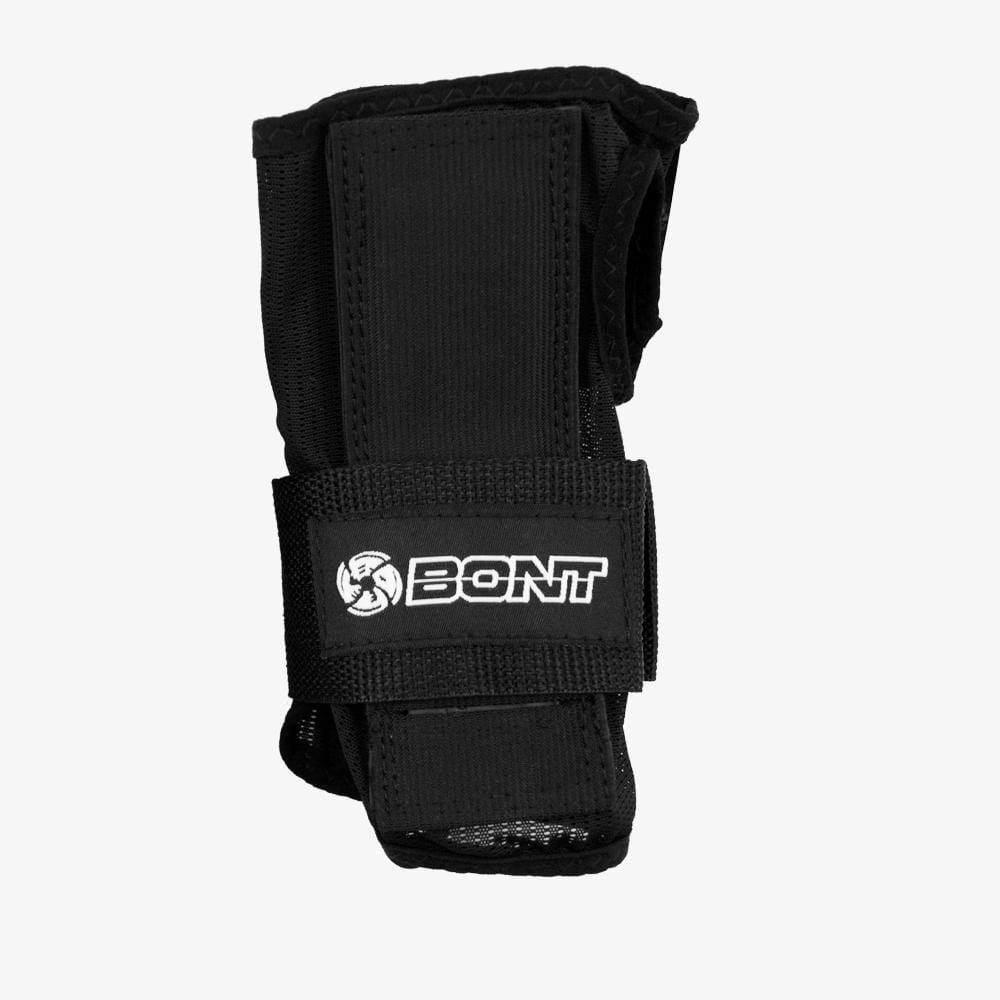
Wrist guards are a practical addition for recreational training because hands commonly reach for the ground during a fall. The guard should stay centred and secure without restricting circulation.

Inspect before every session
Confirm that axles, wheel nuts, frame or plate fasteners and stopping hardware are secure. Spin every wheel and replace damaged or badly worn components. The U.S. Consumer Product Safety Commission publishes general skating safety guidance.
Related Speedskating.com guides
Frequently asked questions
Should skates fit like everyday shoes?
No. Skate sizing varies, and performance footwear normally fits more closely. Use measured foot length, width guidance and the maker’s current chart.
Are larger wheels always faster?
They can preserve speed well, but they also raise the deck and need more control. The best size depends on skill, surface and intended distance.
When should wheels be replaced?
Replace wheels with cracks, flat spots, separation or wear that cannot be corrected through rotation. Inspect them before every session.
Bottom line
The best inline speed skates are the ones that fit securely, suit the intended surface and remain controllable at your current skill level. Start with measurements and use, then compare serviceable components and price.
This article contains paid affiliate links. Speedskating.com may earn a commission from qualifying purchases at no additional cost to you.


