

Roller Skate Wheel Size Guide: How to Measure Diameter, Width, and Hub
A roller skate wheel size guide is most useful when it starts with the wheels already on your skates. Colour, shape and a familiar product name are not enough to confirm a replacement will fit. Measure the outside diameter and width, read the markings that are still visible, check the hub and bearings, then compare the whole setup with the new listing before ordering.
Quick answer: remove one wheel, measure straight across its outside edge in millimetres for diameter, measure across the rolling surface for width, and confirm the bearing and hub arrangement before buying. Keep the new wheel within the clearance and hardware limits of your plate and boot. Do not use a wheel that rubs, rocks on the axle, or leaves you uncertain about the setup.
This guide focuses on quad roller skates. It is general equipment information, not a product test, safety certification, or substitute for the instructions for your particular skate, plate, bearings, or axle hardware.
Why roller skate wheel measurements matter
Quad wheels may look interchangeable when they are sitting beside each other, yet a few millimetres can alter ride height, clearance near the plate or kingpin, and the way a skate responds. Width also changes the wheel’s relationship to the axle and to nearby hardware. A wheel can have the same printed diameter as your old one but still be a poor choice if its hub, bearing seat, width, or intended surface does not match the rest of the setup.
Measuring first also avoids a common replacement mistake: treating a four-pack as a complete pair-of-skates set. Most quad skates use eight wheels. Check the listing quantity as carefully as the stated dimensions, then decide whether you need one pack, two packs, or a different set. If you are replacing a worn set, record the measurements from both skates rather than using the least-worn wheel as the only reference.
What you need before you measure
A ruler marked in millimetres is enough for a basic check. A digital or vernier caliper makes the diameter and width readings easier to repeat, but it is not required. You will also want a clean cloth, the correct axle-nut tool for your skate, and a phone or notepad for the numbers. Work on a stable bench or floor with the skates off your feet, and keep each axle nut, washer and spacer with its original wheel position until you understand the replacement plan.
Before loosening anything, photograph both sides of each skate. A photo will not prove every compatibility detail, but it gives you a useful record of wheel orientation, any washers, and which wheels show the most wear. If hardware looks damaged, missing or unfamiliar, pause rather than trying to solve the problem by combining random parts from another setup.
Measure wheel diameter from edge to edge
Wheel diameter is the full outside height of the wheel. Remove one wheel, place it upright on a flat surface, and measure a straight line from the highest outside edge to the opposite outside edge through the centre. Record the result in millimetres. Do not measure around the curved tread, and do not estimate diameter from the size of the bearing opening.
Wear can make an old wheel smaller than its original marked size. If the sidewall is readable, note both the printed figure and the measured figure. A worn 62 mm wheel, for example, may not measure exactly 62 mm today. That difference is useful information: it tells you how much material has been lost and helps you avoid building a mixed-height setup from new and heavily used wheels.
| Measurement | How to check it | Why it affects a replacement |
|---|---|---|
| Diameter | Measure straight across the outer edge, through the centre. | Changes ride height, clearance and roll-over feel. |
| Width | Measure across the wheel at its widest functional section. | Helps identify clearance and axle-fit differences. |
| Hub and bearing seat | Inspect the central opening and the way bearings sit in it. | Confirms the wheel accepts the intended bearing hardware. |
| Pack quantity | Read the listing, not only the product photo. | Quad skates normally need eight matching wheels. |
| Condition | Look for severe coning, chunks, cracks or hub damage. | Shows whether rotation or a matched replacement set is the better next step. |
Measure width and look at the wheel profile
Wheel width is measured across the wheel, from one outside side to the other at the widest usable section. Keep the caliper jaws or ruler square to the wheel rather than following a curved edge. Width is not simply a styling detail: it can affect the amount of clearance around the plate and the way the wheel sits relative to the axle nut and nearby components.
At the same time, inspect the profile—the shape of the rolling surface. A wheel with a broad, flatter tread and one with a more rounded edge can share a nominal diameter yet feel different when the skate is leaned or turned. Do not treat profile as a reason to force a wheel that does not fit. First establish diameter, width and hardware compatibility; then choose a profile that suits the controlled surface and type of skating you actually do.
If the inside and outside edges show different wear, measure more than one wheel. Uneven wear can make the skate feel different even when the original wheel size was correct. Our roller skate pre-skate inspection checklist can help you identify a damaged, rubbing or loose-feeling wheel before deciding whether a replacement is appropriate.
Check the hub, bearings and axle hardware
The hub is the central structure that supports the bearings inside the wheel. With the wheel removed, look at how the bearing sits in the hub and note whether there is a spacer between bearings. The bearing opening is not the wheel diameter, and a replacement wheel is not automatically correct just because the bearing can be pressed into it. Confirm the wheel is intended for the bearing size and axle arrangement used by your own skate.
Keep any washers, spacers and axle nuts organised. Reusing the wrong hardware, omitting a part, or overtightening an axle can create rubbing, side play or a wheel that no longer turns normally. The exact hardware arrangement is skate-specific, so follow the instructions supplied with the plate or skate when they give a particular assembly order. If you are servicing bearings as part of the job, our bearing cleaning guide covers the separate clean-and-reinstall process.
Read wheel markings without over-reading them
Many wheels print a diameter, a width, and a hardness marking on the sidewall. The number followed by A is a hardness rating; it is not a diameter. For example, a listing might identify a 65 x 35 mm wheel and also state 78A. The dimensions tell you its stated size, while the A rating is one material-comparison input. Use the complete listing and your current setup together rather than assuming one number answers every compatibility question.
Hardness, surface condition, wheel formula and profile can all influence how a compatible wheel feels. If hardness is the decision you are trying to make, use our indoor roller skate wheel hardness guide alongside the size check. Make one deliberate change at a time where possible. Changing diameter, width, profile, hardness and bearings together makes it difficult to understand what changed the ride.
Three measured replacement examples to compare
The three Amazon listings below are examples of different stated wheel dimensions. They are not product tests or universal recommendations. Confirm the current quantity, selected variation, stated dimensions, intended surface, included bearings, delivery details and return terms on the live listing before ordering. Compare each one with the measurements you recorded from your own skates.
65 x 35 mm, 78A outdoor quad wheels
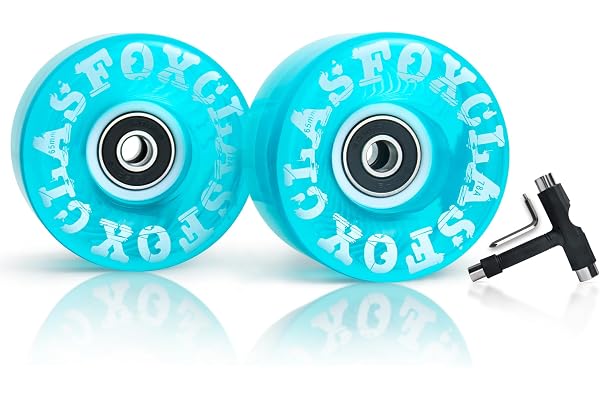
The CLAS FOX listing records a 65 x 35 mm, 78A quad roller skate wheel with bearings included. It is a useful comparison when your measurement and plate clearance support that size and you are checking an outdoor-oriented option. Do not assume included bearings remove the need to check bearing and axle compatibility.

62 x 35 mm, 83A light-up quad wheels
The Bont Glow listing recorded for Speedskating.com states 62 x 35 mm, 83A and a four-wheel pack. That comparison illustrates why pack count belongs on the measuring sheet: a pair of quad skates normally needs eight matching wheels, so confirm whether two packs are required for the intended replacement.

Luminous LED outdoor quad wheels
This light-up quad-wheel listing gives another measured comparison for outdoor setups. Confirm diameter, width, hardness and pack quantity, then check plate and truck clearance before installation.

Install, inspect and test conservatively
After fitting a compatible wheel, reinstall the bearings and hardware in the order specified for your skate. Turn every wheel by hand before putting the skates on. Look and listen for rubbing, unusual side play, a missing nut or a wheel that contacts the plate, boot or toe-stop hardware. Do not rely on a particular free-spin time as a pass or fail test; the useful check is whether the assembly is correct and behaves consistently.
For a first test, wear the protective gear you intend to use and choose a clean, dry, low-traffic surface. The U.S. Consumer Product Safety Commission advises skaters to wear protective gear, learn to stop safely and use smooth surfaces away from traffic. Begin with a short, controlled roll, then stop to recheck the wheel and axle hardware before a longer session.
A simple measurement record before you order
- Write down the printed diameter, width and hardness from each readable wheel.
- Measure the actual diameter and width of at least one wheel from each skate.
- Record the bearing, spacer and axle arrangement before disassembly.
- Check clearance near the plate, boot and toe-stop hardware.
- Compare the new listing’s dimensions, quantity and included parts with your notes.
- Install one change carefully, spin-check every wheel and make a short controlled test roll.
Make the wheel replacement fit the skate
The right roller skate wheel size is not a universal number. It is a set of measurements that works with your plate, bearings, axle hardware, surface and existing clearance. Measure diameter and width in millimetres, inspect the hub and hardware, count the wheels you need, and check the live listing before you order. That process is slower than choosing by colour, but it gives a replacement set a much better chance of rolling predictably from the first controlled test.
This article contains paid affiliate links. Speedskating.com may earn a commission from qualifying purchases at no additional cost to you.


