

Roller Skate Dance Plugs: Compatibility, Fit, and First-Test Guide
Roller skate dance plugs are small threaded replacements for toe stops on compatible quad-skate plates. They can give the front of a skate more clearance for a skating style that does not depend on toe stops, but they are not a universal upgrade or a cosmetic swap to make before a first session. The useful question is whether the plate accepts the plug, the plug seats correctly, and skating without a toe stop suits the movements you actually do.
Quick answer: identify the toe-stop mount on your plate, confirm that the dance plug uses the correct thread and has enough clearance, install it according to its instructions, then test slowly on a clean familiar surface. Do not replace a toe stop with a plug if you still rely on the toe stop for starts, stops, balance, or ordinary rink control.
What roller skate dance plugs change
A toe stop is a functional part at the front of many quad skates. A dance plug replaces that protruding part with a much smaller piece. The practical result is more front clearance, not a faster skate, a safer setup, or a substitute for skill. Skaters may choose plugs for dance-oriented footwork, but that choice also removes a contact point that many people use when learning, getting moving, or stopping.
Think of a plug as a setup decision. It changes how the front of the plate meets the floor and can change the margin around a wheel, floor surface, or another skater. It does not change the plate’s thread, make a mismatched plug fit, or make an unfamiliar movement predictable. If a toe stop is part of your normal control, leave it in place while you build the skills that do not require it.
For the larger compatibility and adjustment picture, see our roller skate toe stops guide. That guide is a useful starting point when you are unsure whether the part in front of your plate is adjustable, replaceable, or meant to remain installed.
Start with the plate, not the plug
Do not order by the words dance plug alone. Quad plates use different toe-stop arrangements, and a listing image cannot establish that a plug will fit your skate. Remove no hardware until you have checked the skate or plate documentation and understand how the existing toe stop is retained.
| Check | What to confirm | Why it matters |
|---|---|---|
| Mount type | Whether the plate has a threaded toe-stop housing designed to accept a replacement. | A plug only works with a compatible mount. |
| Thread and fit | The exact plug specification matches the plate or the product instructions say it is compatible. | Similar-looking threads can still cross-thread or sit incorrectly. |
| Retention | How the plate holds the part in place: for example, a set screw or another specified method. | A plug must remain secure while the skate moves. |
| Clearance | The plug, plate, wheels, and floor have space through a gentle turn and normal flex. | Contact or rubbing can change handling or damage parts. |
| Skating use | Whether you can start, stop, and control speed without the toe stop. | Compatibility is not the same as readiness. |
Inspect the existing hardware in good light. Look for a damaged thread, a missing set screw, a cracked housing, or an old toe stop that has become difficult to remove. Do not force a part that resists removal. Escalating leverage can damage the plate or thread, turning a simple accessory change into a repair question. Follow the instructions supplied with the skate, plate, and plug, and seek qualified help if the mount looks damaged.
When a dance plug is a poor choice
A plug is not the right next step for every roller skater. Leave the toe stops installed when you are still practicing basic starts and controlled stops, when your usual rink or route requires frequent quick changes in speed, or when you are not certain how you will manage without that front contact. The same caution applies if you are returning after a break: re-establish your ordinary control before changing the setup.
Do not treat a plug as a way to make a skate less noticeable, lower profile, or more advanced. It has a specific job and removes another specific job. A pair of skates can be completely suitable for a skater with toe stops fitted and completely unsuitable for the same skater after those stops are removed. Consider your current technique, surface, session goals, and rink rules before changing anything.
The U.S. Consumer Product Safety Commission advises skaters to wear appropriate protective gear, learn to stop safely, and avoid unsafe surfaces. Those basics matter especially when a familiar setup changes: a plug does not replace protective equipment, controlled speed, or a clear route.
Measure and inspect before installation
With the skate supported on a stable surface, compare the current toe-stop assembly with the plug’s exact listing and instructions. Note the thread or compatibility statement, the plug’s length, and how the plate locks the part in position. Keep small screws, washers, and hardware together on a clean towel or tray. If the two skates use different positions or hardware, work on one side at a time so the original arrangement remains clear.
A plug should seat squarely. It should not lean, bind, wobble, or require force beyond the method specified for the product. Do not use a universal torque number; plate designs, retention systems, and materials vary. Once the plug is installed, inspect it from the front and side, then turn the skate gently through the range of motion you expect on the floor. Stop if it appears to touch a wheel, plate edge, or floor unexpectedly.
Before changing several parts at once, isolate the variable. If you also plan to change laces, wheels, cushions, or bearings, make one setup change and test it before adding the next. Our skate lace length guide and roller skate wrist-guard fit guide show the same practical principle: check fit and function before relying on new gear during a normal session.
A plug listing to verify before ordering
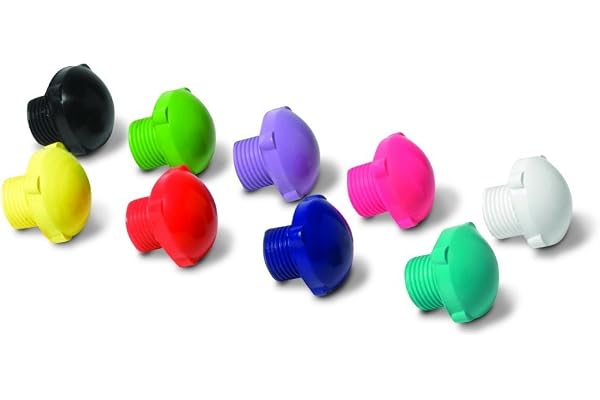
The Sure-Grip Fomac dance plugs listing below is a relevant option to examine only when its current specifications match your compatible plate. Confirm the selected variation, thread information, quantity, installation directions, and return details on the live listing before purchase. This is not a product test or a claim that the plug fits every quad skate.

Use a controlled first test
Do not make the first test in a crowded rink, on a hill, or during a session that depends on fast starts or emergency stops. Choose a clean, dry, familiar area with enough room to stand, roll slowly, turn gently, and stop using skills that do not depend on a toe stop. Wear the rest of your usual protective gear and leave enough time to inspect the setup again.
- Before putting the skates on, check that each plug is seated, retained, and free of obvious damage.
- Stand on a stable surface and shift weight slowly to feel whether the new front clearance changes your stance.
- Roll a short distance at low speed, then test a gentle turn in both directions.
- Practice only stops you can already perform without using the toe stops.
- Pause after a few minutes and recheck the plug position, hardware, wheel clearance, and any contact marks.
- End the test if a plug loosens, rubs, changes position, or leaves you unsure of your control.
Keep the original toe stops and hardware organised until the new setup has passed several calm checks. If a plug is not working for your skating, reinstalling the compatible original parts is a sensible outcome, not a failed upgrade. The objective is reliable control, not committing to a change because it looked simple online.
Care and recheck routine
Make the plugs part of the normal pre-skate inspection. Look for loosening, cracking, unusual wear, missing retention hardware, and changes in clearance. After skating, wipe off floor debris and check the plate area before storage. If you see a damaged thread, a plug that will not stay in position, or a plate housing that has shifted, do not keep skating in the hope that it will settle.
Rink floors, outdoor paths, travel, and repeated contact can all add wear to small hardware. Check the product instructions for care and replacement guidance. Avoid lubricating or modifying threads unless the skate, plate, or plug instructions specifically call for it. An improvised fix can conceal the reason a part no longer holds correctly.
Common roller skate dance plug questions
Can I put dance plugs on any roller skate?
No. The plate needs a compatible toe-stop mount, and the plug needs to match that mount and its retention method. Check the exact plate and product information instead of relying on a general product label.
Are dance plugs suitable for beginners?
They are usually a poor first setup if you are still learning starts, stops, and basic control with toe stops. A compatible plug can still be unsuitable for a skater who relies on a toe stop for ordinary movement.
Do dance plugs make roller skates faster?
No. Their purpose is front clearance on a compatible plate. They do not change wheel roll, bearing condition, skating technique, or the need to control speed.
Choose compatibility before style
Roller skate dance plugs can be a useful accessory when the plate is compatible and the skater has already developed control without toe stops. Start with the mount, thread, retention, and clearance; make one deliberate change; and use a quiet first test. That approach gives you useful information about the setup before you rely on it in a regular session.
Editorial note: This is general equipment information, not a product test, safety certification, or individual technical advice. The featured image is original illustrative media. Follow the instructions supplied with your skates, plates, plugs, and protective equipment, plus applicable rink rules.
This article contains paid affiliate links. Speedskating.com may earn a commission from qualifying purchases at no additional cost to you.


