

How to Powerslide on Rollerblades: Safe Practice Progression
Learning how to powerslide on rollerblades requires more than turning a skate sideways. The skater must already control speed, balance on one skate, use both inside and outside edges and recover from a deep bent-knee stance. A powerslide is an advanced skill with a real fall risk; it is not a substitute for learning a heel brake or another dependable beginner stop.
Quick answer: practise only at low speed on a wide, smooth, dry and traffic-free area. Begin with the sliding skate unweighted, rotate from the hips while the support knee stays bent, then increase edge pressure gradually. Use qualified instruction where possible and stop if the movement becomes uncontrolled.
Know when not to practise
Do not attempt a powerslide for the first time on a hill, road, crowded path, wet surface or near obstacles. It should never be treated as an untested emergency technique. If you cannot glide on one skate, make controlled parallel turns and stop reliably with your existing method, build those skills first.
Beginners using recreational inline skates should keep the heel brake fitted and learn it before experimenting with slides. The inline heel-brake stopping guide provides a lower-speed foundation that also develops knee bend and weight control.
What a powerslide does
In a powerslide, one skate continues to support most of the skater’s mass while the other rotates across the direction of travel and scrubs speed through controlled lateral friction. The sliding wheel edges must release progressively rather than grip abruptly. Body position, surface, wheel hardness, speed and technique all change the result.
The technique can wear wheels unevenly and may expose weak balance quickly. It should be practised on both sides over time, but only after one side is stable enough to repeat at walking pace.
Prerequisite skills
- Stable athletic stance with knees and ankles flexed.
- Controlled forward glide at walking speed.
- One-foot balance on each side.
- Wide and narrow turns without standing upright.
- A reliable existing stop, such as a heel brake.
- Ability to look ahead while moving the feet independently.
If any item is inconsistent, practise it separately. A slide should add to an established stopping toolkit rather than become the only way to slow down.
Choose a safe practice setup
Use a clean, dry, level paved area with generous runout in every direction. Check for sand, leaves, cracks, drain covers and surface changes. Wear a helmet represented for the activity, knee pads, elbow pads and wrist guards that stay centred through a deep stance.
The U.S. Consumer Product Safety Commission advises inline skaters to wear safety gear, use smooth paved surfaces away from traffic and learn how to stop. Protective equipment reduces some risk but does not make an unsuitable practice area safe.
Step-by-step powerslide progression
1. Rehearse the stance without rolling
Stand in a deep athletic position with the chest up and eyes forward. Place most body mass over the intended support skate. Move the other skate behind and across at an angle without twisting the support knee inward. Hold a stable object only for the stationary rehearsal, not while rolling.
2. Practise the entry as a slow turn
At walking speed, make a controlled turn toward the support side. Allow the hips and shoulders to rotate together while the support knee remains bent. Do not whip the sliding skate sideways or force the upper body ahead of the feet.
3. Place the sliding skate lightly
Set the sliding skate behind or across the travel line with very little load. The exact angle varies with anatomy, equipment and coaching method. Keep most mass over the bent support leg while the sliding skate feels for a controllable edge.
4. Add pressure gradually
Increase pressure only enough for the wheels to scrub speed without catching. If the skate grips suddenly, reduce speed, reduce angle and return more mass to the support leg. A progressive hiss and controlled deceleration are better goals than a dramatic cloud of wheel wear.
5. Finish balanced
As speed falls, bring the skates back under the body instead of collapsing onto the sliding leg. Roll away or step to a stable stance. Reset before each attempt; repeated rushed entries reinforce poor alignment.
6. Repeat at the same low speed
Keep speed and surface constant while learning. When several repetitions finish in balance, practise the opposite side at an even lower pace. Do not add downhill speed as a test.
Common powerslide problems
| Problem | Likely cause | Correction |
|---|---|---|
| Sliding skate grips and stops suddenly | Too much load, too little angle or unsuitable surface | Reduce speed and pressure; rehearse with the sliding foot lighter |
| Upper body falls backward | Legs move ahead while hips stay high | Bend the support knee and keep chest balanced over the base |
| Support knee collapses inward | Poor hip alignment or excessive rotation | Stop the attempt, reduce range and seek coaching |
| Skater spins instead of slowing | Rotation continues after edge contact | Use a smaller entry turn and stabilise the support side |
| Only one side works | Normal side preference reinforced by repetition | Return to prerequisite drills and introduce the weaker side slowly |
Three verified protection options
These Bont products were checked against Speedskating.com’s existing Amazon affiliate inventory. The images are owner-authorized. Confirm size, activity statement, included quantity and live listing details before ordering.
Bont inline skating helmet
A helmet option for recreational inline practice. Measure before ordering and verify the certification label, intended activity and fit of the delivered product.


Triple Eight Saver Series protective pad set
This three-piece knee, elbow and wrist protection set is a useful alternative for recreational skating. Check the live size chart, secure every strap and confirm that each hard cap stays centred through a full skating stance.

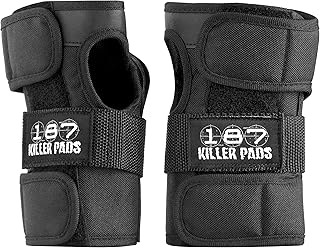
187 Killer Pads wrist guards
These wrist guards are a skating-specific alternative to compare. Follow the live measurement guidance, wear each guard in the intended orientation and confirm free finger movement without tingling.
Inspect skates after slide practice
Slide drills can concentrate wear on particular wheel edges. Inspect every wheel for flat spots, chunks, separation and severe coning. Check axle and frame hardware, then rotate wheels only with a pattern suitable for the setup. The inline wheel rotation guide explains how to mark positions before moving them.
Also complete the pre-skate inspection checklist before the next session. Stop using any skate with damaged wheels, loose hardware or a boot or frame problem.
Powerslide alternatives
A heel brake remains a useful, controllable stop for many recreational skaters. A T-stop can help manage speed after one-foot balance is reliable, though it also wears wheels and needs careful instruction. Wide turns and planned speed reduction should happen before a hazard, not at the last moment.
No single stop works in every condition. Develop more than one method under instruction, maintain ample following distance and avoid routes where available stopping space exceeds your ability.
Frequently asked questions
Is the powerslide a beginner stop?
No. It requires edge control, one-foot balance, rotation and a reliable existing stop. Beginners should learn stance, turning and a heel brake first.
Can I learn a powerslide on a hill?
No. First attempts belong on a smooth, dry, level and traffic-free surface at walking speed. Hills multiply speed and consequences.
Why do my wheels grip instead of slide?
Possible factors include too much load, insufficient angle, low speed, wheel grip and surface. Do not force the movement; reduce the task and seek qualified instruction.
Does powersliding damage wheels?
It accelerates localised wear and can create flat spots when repeated poorly. Inspect and rotate compatible wheels before wear becomes severe.
Control before spectacle
A useful powerslide is quiet, balanced and repeatable at low speed before it is fast or dramatic. Build the prerequisite skills, choose a safe area and add pressure gradually. If the slide cannot be finished in balance, return to the previous step and use the stopping method you already control.
This article contains paid affiliate links. Speedskating.com may earn a commission from qualifying purchases at no additional cost to you.


