

How to Rotate Roller Skate Wheels for More Even Wear
How to rotate roller skate wheels starts with observation, not a preset schedule. Wheels can wear differently at the front and rear of a skate and from one side to the other. A careful rotation can spread normal wear across a compatible set, but it cannot repair a cracked wheel, a damaged hub or an assembly problem.
Quick answer: photograph and label the four wheel positions, remove one wheel at a time, inspect every wheel and bearing seat, then use a consistent cross-side/front-to-rear pattern only when the wheels are identical and non-directional. Reinstall the hardware in the skate maker’s intended order, spin-check each wheel, and make a short controlled test before a full session.
What wheel rotation can—and cannot—do
Rotation changes where each wheel works on the skate. That can be useful when the urethane is wearing normally but unevenly: for example, one edge has become more rounded or tapered than the other. Moving the wheel to another position may expose a different part of the wheel to the load and help the full set wear more consistently.
It is not a way to make damaged equipment safe. Stop and investigate instead of rotating a wheel with a split, a chunk missing from the rolling surface, a visible flat spot, a loose hub, or a bearing that will not seat correctly. A wheel that rubs the plate or hardware after assembly also needs diagnosis before skating.
When to rotate and when to replace
There is no reliable universal number of sessions or kilometres for wheel rotation. Surface texture, body weight, skating style, technique, wheel formula and how often the skates are used all change the rate and pattern of wear. Make a wheel check part of your normal pre-skate routine and rotate when you can see a repeatable but still serviceable wear pattern.
Replacement becomes the better choice when wear has changed the set so much that rotation would leave noticeably mismatched diameters, profiles or traction. Start by measuring before ordering: the roller skate wheel size guide explains how to record diameter, width, hub and pack quantity. For a general equipment check, use the roller skate pre-skate inspection checklist.
Label the starting positions
Before loosening any axle nut, take a clear photo of both skates. Then give each wheel a simple position label. This creates a record you can repeat next time and helps prevent a random mix of parts on the bench.
| Label | Position while wearing the skate | What to note |
|---|---|---|
| LF | Left skate, front wheel | Wear on each edge, diameter and any rubbing marks |
| LR | Left skate, rear wheel | Wear pattern and how the bearing sits in the hub |
| RF | Right skate, front wheel | Wear pattern, chips, cracks or flat spots |
| RR | Right skate, rear wheel | Wear pattern and condition of axle hardware |
Use a removable piece of tape or a small paper layout if the wheels look alike. Do not mark a bearing seal, rolling surface or any part that the wheel maker says should remain untouched.
Choose a pattern that suits the wheel
First check whether the wheel has a directional tread, an intentionally asymmetric profile, a different formula at a particular position, or a skate-maker instruction that limits rotation. If it does, follow that instruction rather than this general guide. Do not mix wheel sizes, formulas or profiles merely to make a rotation pattern work.
For a matched set of identical, non-directional quad wheels, a simple cross-side/front-to-rear rotation is a useful starting point. It changes both the side and the front/rear position of each wheel. Record exactly what you did so the next rotation follows the same logic.
| Original position | New position | Why the move is useful |
|---|---|---|
| LF | RR | Changes both side and front/rear loading |
| RR | LF | Returns the paired wheel to the opposite working position |
| RF | LR | Changes both side and front/rear loading |
| LR | RF | Returns the paired wheel to the opposite working position |
That pattern is a maintenance option, not a rule for every setup. If you are uncertain whether the wheel is directional or whether moving it side-to-side is appropriate, keep its orientation, consult the skate or wheel documentation, or have a qualified skate technician inspect the setup.
Remove and inspect one wheel at a time
- Work on a clean bench or towel so nuts, washers and spacers cannot roll away.
- Remove one axle nut and place its hardware beside the position label.
- Look around the full rolling surface under good light. Check both edges, not only the centre tread.
- Inspect the hub and bearing seat. A bearing should not be forced into a damaged or distorted opening.
- Compare the wheel to the others for coning, loss of diameter, cuts or a different profile.
- Repeat for the remaining wheels, keeping the parts organised by position.
Bearings and wheels are related but separate service jobs. If the bearings need attention, follow the separate inline skate bearing cleaning guide rather than adding cleaning solvents or disassembly steps to a simple rotation without checking the bearing maker’s instructions.
Reinstall, spin-check and make a short test
Move the inspected wheels to their recorded new positions. Reinstall each bearing, spacer, washer and axle nut in the arrangement specified for your own plate or skate. Avoid overtightening, but do not leave an axle nut unsecured. The correct fit is specific to the hardware; a fast free-spin time is not a safety test.
Turn every wheel by hand and look for rubbing, unusual side play, hardware contact or a wheel that sits differently from the rest. Then wear your usual protective gear and choose a clean, dry, low-traffic surface for a short controlled roll. The U.S. Consumer Product Safety Commission advises skaters to wear safety gear, learn to stop safely, and use smooth surfaces away from traffic.
Match a replacement set to the actual skate
If the inspection shows it is time to replace wheels, compare the new listing with your measurements instead of choosing by colour alone. Diameter affects ride height and clearance; width and profile affect space around the plate and how the wheel feels when leaned; hardness is only one part of the surface decision. The indoor roller skate wheel hardness guide can help when the surface is the question.
For quad skates, confirm pack quantity as well as size. A four-wheel product may require two packs for a matched eight-wheel change. Check the live listing’s selected variation, dimensions, included bearings and return details before ordering.
Three wheel listings to compare
These verified Amazon destinations are comparison examples, not product tests or universal recommendations. Choose only a listing whose current size, hardness, quantity and bearing arrangement match the notes from your own skate.
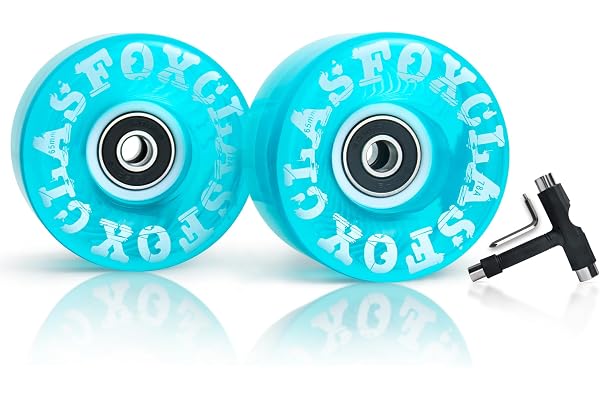
CLAS FOX 65 x 35 mm, 78A quad roller skate wheels
This listing identifies a 65 x 35 mm, 78A wheel with included bearings. Use it as a size-and-surface comparison only after checking plate clearance and bearing compatibility.

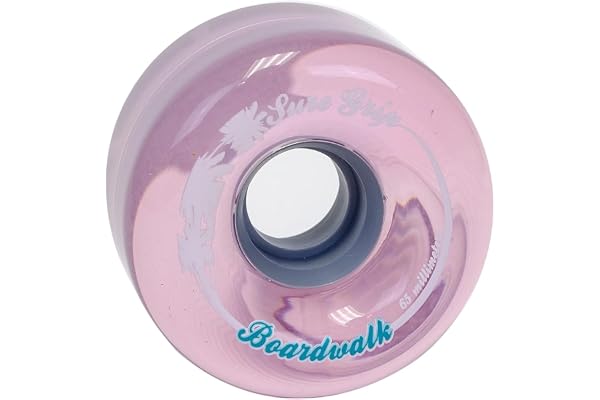
Sure-Grip Boardwalk 65 mm outdoor roller skate wheels
This eight-wheel listing is useful to compare when a complete matched set is the goal. Confirm the exact selected variation, wheel width, hardness and clearance before replacing a current setup.
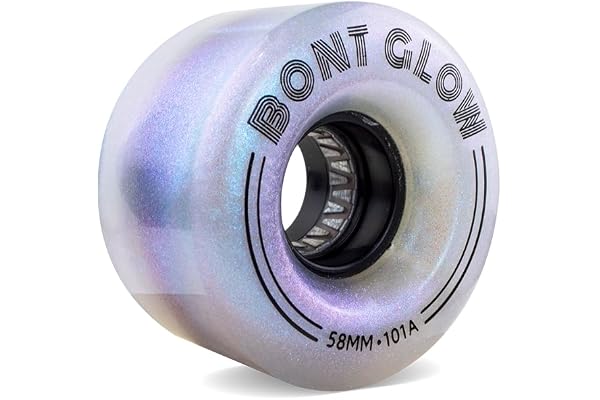
Bont Glow 58 x 32 mm, 101A light-up quad wheels
This Bont listing records a 58 x 32 mm, 101A four-wheel option. It is a compact, hard-wheel comparison for compatible setups; check whether two packs are required for a full quad set and do not use it to bypass a clearance check.
Frequently asked questions
Can I rotate roller skate wheels with different hardnesses?
Do not assume that a mixed-hardness setup should be rotated with a matched-set pattern. Keep a record of why each wheel is in its position and follow the wheel or skate maker’s guidance for that setup.
Should I rotate wheels if only one is damaged?
First identify why it was damaged and whether the remaining wheels still form a safe, compatible set. A single replacement can create a substantial size or profile mismatch, so compare actual measurements before skating.
Do light-up wheels rotate the same way?
Only if the product is non-directional and the supplied generator hardware is compatible in the new position. Follow the exact product instructions and confirm that each wheel is assembled correctly after moving it.
Keep a simple wheel record
A photo, four position labels and a short note about wear make the next maintenance decision much easier. Rotate a sound, matched set deliberately; replace damaged or badly mismatched wheels rather than trying to hide a problem with a new pattern. For more wheel-fit and maintenance topics, visit the Speedskating.com wheels hub.
This article contains paid affiliate links. Speedskating.com may earn a commission from qualifying purchases at no additional cost to you.


