

Fitness Inline Skating Starter Guide: Gear, Route, and First Sessions
A fitness inline skating routine starts well before the first long glide. The useful setup is one you can fit, check, and use repeatedly on a controlled route—not a pair of skates bought on a guess and taken straight onto a busy path. This fitness inline skating starter guide covers the practical decisions that make early sessions more manageable: gear fit, route choice, pace, and simple equipment checks.
Quick answer: choose skates that match your foot and intended use, wear protective gear that stays in place, begin on a smooth traffic-free surface, and keep the first sessions deliberately short enough that you can practice stopping and re-check the fit. Build time and distance gradually only after the basics feel controlled.
Start with a realistic fitness-skating plan
Inline skating can be one enjoyable way to add movement to a broader routine, but the right starting dose is individual. The U.S. Centers for Disease Control and Prevention says adults can build toward 150 minutes of moderate-intensity physical activity a week, with activity spread across the week; it also notes that some activity is better than none. That general public-health guidance is a reason to begin with manageable sessions rather than treating one ambitious outing as a test of commitment.
For a new skater, a useful first objective is not speed, a distance target, or a calorie claim. It is a repeatable session: put the gear on correctly, roll in a controlled area, stop when needed, and finish with enough attention left to inspect the equipment. If you are returning after a long break, have a health concern, or are unsure whether a new activity suits you, seek appropriately qualified personal advice before changing your routine.
Choose the skate around fit and route
Fitness skates are commonly used on paved paths, but a label alone does not establish fit. Start with the exact listing or manufacturer sizing information for the variation you are considering. Measure both feet while standing in the socks you expect to skate in, use the longer measurement, and compare it with the published chart. A secure heel and even closure matter more than an attractive colour or a generic shoe-size conversion.
Before the skate leaves the house, check that the heel sits back, toes can move naturally, and no buckle, cuff, or lace creates a sharp pressure point. Bend the knees slightly and shift weight side to side. If the heel lifts dramatically, the boot turns on the foot, or the closure has to be pulled excessively tight, pause and reconsider the fit rather than hoping movement will solve it.
Also match the route to the setup. A clean, smooth, familiar path gives a new skater more room to focus on stance and stopping. Uneven pavement, steep hills, wet patches, loose gravel, traffic, and crowded shared paths add decisions before the basic movements are automatic. Our inline skates hub is a useful place to explore related setup guidance once the fundamentals are covered.
Build a starter kit that you will actually use
The core kit is straightforward: correctly fitted inline skates, a suitable helmet, wrist guards, knee protection, elbow protection, and clothing that lets you bend and move freely. The U.S. Consumer Product Safety Commission advises inline skaters to wear a helmet, elbow pads, knee pads, wrist guards, and gloves, learn to stop safely, and skate on smooth paved surfaces away from traffic. Protective equipment supports a safer routine; it does not replace controlled speed, stopping practice, or route judgment.
Fasten every strap at home, then make a relaxed fist, flex the fingers, bend the elbows, and squat slightly. A guard that twists, pinches, or causes tingling needs attention before skating. For a closer fit check, see our wrist-guard fit guide. The same principle applies to helmet and pad straps: follow the exact product instructions and confirm that the equipment stays in its intended position as you move.
Three purchase checks before a first session
These are three different starter-kit options from the current affiliate inventory. They are not product tests or universal recommendations. Before ordering, use each live listing to verify the selected variation, sizing information, included pieces, delivery details, and return terms.
This article contains paid affiliate links. Speedskating.com may earn a commission from qualifying purchases at no additional cost to you.
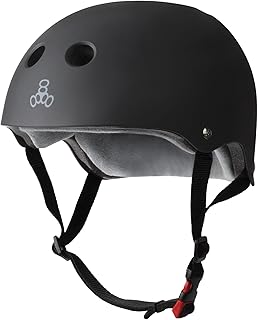
Triple Eight Certified Sweatsaver helmet
This skating helmet is a non-Bont option for recreational and training sessions. Measure the head, select the correct size and verify the delivered helmet’s certification labels and intended activities before use.

2. Adjustable recreational skate option
The 2PM Sports Vinal adjustable inline skate listing may be relevant when an adjustable size range matches the skater. Set both skates to the same position and do not buy a range far larger than the measured foot just to extend its use.
3. Wrist-guard option
The Bont adult skate wrist-guard listing is an option to consider only after checking the listing’s measurement method and intended-use information. Check both guards at home before relying on them for a session.
Use a route check before every outing
Route selection is a safety decision, not a minor detail. Walk or slowly roll a new route first if possible. Look for broken pavement, drainage grates, leaves, sand, construction, blind corners, vehicle crossings, and changes in slope. A section that is easy to walk can still be demanding on wheels, particularly when you are learning to turn or stop.
| Route check | What to look for | Practical response |
|---|---|---|
| Surface | Dry, clean, continuous pavement without gravel or standing water. | Choose a smoother section or postpone the session. |
| Space | Room to glide, turn, and stop without pedestrians or traffic. | Use an open, low-traffic area for practice. |
| Slope | Flat ground or a mild, familiar grade. | Do not begin with a hill you cannot comfortably stop on. |
| Visibility | Clear sightlines and daylight conditions. | Avoid night skating and blind approaches. |
The CPSC specifically advises avoiding streets, driveways, and surfaces with water, sand, gravel, or dirt. Treat that as a useful conservative baseline. If conditions change while you are out—rain begins, a path becomes crowded, or an obstacle blocks the route—turning back is a sensible part of session planning.
Structure the first few fitness inline skating sessions
Keep the first sessions modest and repeatable. Spend a few minutes at home or on a quiet flat surface checking closures and practicing a low, relaxed stance. Then use short glides, gentle turns, and controlled stopping practice before trying to skate continuously. Stop after a few minutes to notice whether the heel has settled, a strap has shifted, or a wheel is rubbing.
A simple progression can help you stay patient:
- Session one: focus on fit, balance, controlled glides, and stopping in a flat open area.
- Session two: repeat the checks, then add a little more continuous easy rolling only if the first session felt controlled.
- Later sessions: add time or route complexity gradually—not both at once—and keep a margin for an unplanned stop or surface change.
There is no universal pace, wheel size, or session length that works for every skater. If technique deteriorates, fatigue makes stopping uncertain, or equipment starts to feel wrong, end the session and investigate at home. Consistency is more useful than forcing an uncomfortable outing.
Do a quick equipment check after every skate
When you finish, brush off visible grit, air out protective gear, and inspect the skates before storing them. Spin each wheel by hand, look for obvious rubbing, and check that axle hardware and closures are present and secure. Do not change hardware just because a wheel makes a normal sound; inspect carefully and follow the skate’s instructions.
Wheel wear is another routine item. If one wheel appears noticeably more worn, rotate only when the frame and wheel setup support the pattern. Our inline skate wheel rotation guide explains the checks and common patterns for three- and four-wheel skates. For a wheel that feels rough or a bearing that needs service, start by confirming the part and the manufacturer’s instructions rather than forcing a tool into the assembly.
Common fitness inline skating questions
How long should a first fitness inline skating session be?
Long enough to practice the basics without losing control or skipping the post-session check. Start with a manageable, controlled session and add time gradually once fit, stopping, and route choice feel dependable.
Do I need a special route for fitness skating?
You need a route that gives you a smooth, dry, low-traffic space to control speed and stop. A quiet flat path is generally more useful for a first session than a busy street, steep hill, or uneven trail.
Should new inline skates feel painfully tight?
No. A secure fit is different from sharp pressure, numbness, or major heel movement. Re-check the product sizing guidance, sock choice, and closure sequence before assuming the skate will simply break in.
Build the routine before the distance
A useful fitness inline skating routine is built from quiet, repeatable decisions: fit the skates carefully, wear the protective kit correctly, choose a route that matches your current control, and make small increases over time. Keep the first sessions simple enough to practice stopping and equipment checks. That approach leaves room for skating to become a sustainable part of a broader activity routine rather than a one-day experiment.
Editorial note: This is general fitness-skating information, not medical advice, a product test, or a safety certification. The featured image is original illustrative media. Follow the instructions supplied with your skates and protective equipment, and observe applicable local rules.


