

Essential Roller Skate Accessories: What to Carry and Why
The most useful roller skate accessories solve a specific problem: they protect the skater, let you correct a simple adjustment or provide a safe replacement for a part that commonly wears or loosens. A crowded bag of decorative items is less valuable than a small kit you understand and inspect regularly.
Quick answer: carry fitted protective equipment, the correct skate tool, spare laces, a verified replacement toe stop or hardware when appropriate, a clean cloth, water and a small personal first-aid kit. Keep specialist workshop tools and incompatible spare parts at home.
Essential roller skate accessories checklist
| Priority | Accessory | Purpose | Carry or keep home |
|---|---|---|---|
| 1 | Helmet, knee pads, elbow pads and wrist guards | Personal protection suited to the session | Carry and wear |
| 2 | Compatible skate tool | Checks axle nuts, toe stops and adjustment hardware | Carry |
| 3 | Spare laces | Replaces a cut, stretched or failed lace | Carry |
| 4 | Clean cloth and small brush | Removes surface dirt and moisture after skating | Carry |
| 5 | Known-compatible small spares | Replaces a part already identified for the setup | Carry selectively |
| 6 | Bearing press and cleaning equipment | Controlled maintenance away from the rink floor | Keep home |
Start with protective equipment
Safety gear is not an optional decoration. The U.S. Consumer Product Safety Commission recommends a helmet, elbow pads, knee pads, wrist guards and gloves for inline skating. The same complete-system principle is useful for recreational roller skating: select equipment for the activity, fit it correctly and replace damaged items.
Use the skate helmet guide and roller skate pads guide to check activity, fit and condition. Venue or league rules may require particular equipment; treat those rules as a minimum.
Bont skate wrist guards
These wrist guards are a relevant protection option for roller skaters. Follow the live size chart, put the guards on in the intended left-right orientation and confirm free finger movement without numbness. The Bont product image is owner-authorized.


Carry the correct skate tool
A skate tool is useful only when its sockets and drivers match the hardware on your skates. Before relying on one, identify the axle-nut size, kingpin or truck adjustment system, toe-stop fastener and any plate-specific tools required by the manufacturer.
Use the tool for small, understood corrections. Do not keep tightening a nut that will not hold, force a mismatched driver or dismantle a plate at the rink. A damaged thread, cracked component or repeated loosening needs proper repair.
The pre-skate inspection checklist explains what to check before every session. Perform adjustments while the skates are stationary, then verify that wheels turn freely and every fastener is secure.
Pack spare laces that actually fit
A failed lace can end a session because the boot can no longer hold the foot securely. Carry one complete pair in the correct length and shape. Avoid tying together broken sections or leaving long loops that can reach a wheel or toe stop.
Inspect the eyelets and hooks as well as the lace. Repeated cutting at the same point may indicate a sharp or damaged boot fitting. Use the skate lace length guide to measure a current lace before ordering a replacement.
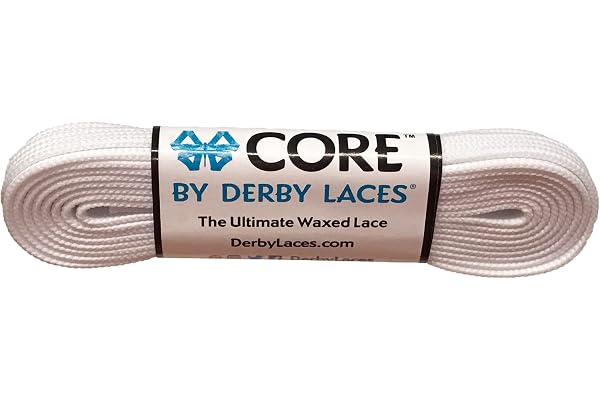
Derby Laces CORE waxed skate laces
These narrow waxed laces are a non-Bont replacement option for maintaining separate tension zones. Select the correct length for the boot’s eyelet count and do not use extra tension to compensate for a poor boot fit.
Protect high-wear boot areas when compatible
Toe guards can shield part of a roller skate boot from scuffs, but they are not structural protection and do not repair damaged material. Confirm that a guard fits the boot, plate and toe-stop arrangement without interfering with hardware inspection or adjustment.
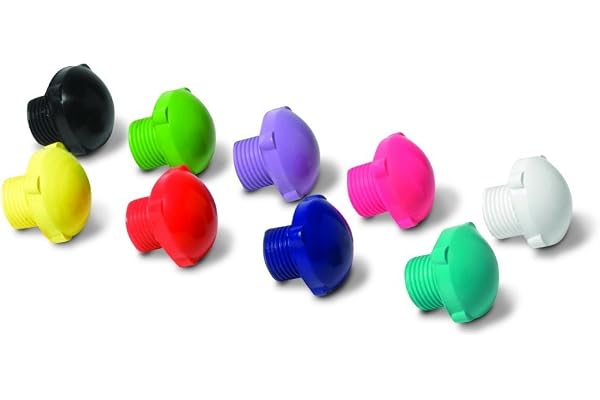
Sure-Grip Fomac dance plugs
These dance plugs are a non-Bont accessory for compatible quad-skate plates used without conventional toe stops. Verify the thread standard and intended skating style before installation.
Carry only verified compatible spare parts
A spare is useful when it is the correct part for the exact setup and the skater knows how to install it. Random axle nuts, bearings, cushions and toe stops can differ in dimensions, thread, shape and material.
- Toe stops: confirm stem type, thread and clearance. Inspect wear using the toe-stop wear guide.
- Axle nuts: use the correct thread and locking design. A nut that repeatedly loosens should be replaced or inspected.
- Cushions: confirm plate compatibility and change the full intended set, not one random position. See the roller skate cushions guide.
- Bearings: match the bearing and axle dimensions. Keep them clean and packaged rather than loose in the bag.
- Wheels: carry replacements only when they match the intended setup and you have space to protect them from contamination.
Cleaning items for the skate bag
A clean microfibre cloth can remove surface moisture and dirt before the skates go back into the bag. A small, dry brush helps clear debris from exterior seams and hook-and-loop fasteners. Keep liquids sealed and away from bearings, padding and electronics.
Deep bearing cleaning belongs on a stable work surface with the correct cleaner, lubricant and disposal method. Do not pour solvent at a rink or carry open chemical containers. The bearing cleaning guide explains a controlled home process.
Personal items that earn their space
- Water: use a sealed bottle that cannot leak over skates or protective gear.
- Small first-aid kit: carry supplies appropriate to your training and know how to use them.
- Identification and emergency contact: especially useful for outdoor sessions.
- Phone and keys: secure them so they cannot fall into the skating area.
- Fresh socks: a dry pair improves comfort after a wet or sweaty session. See the skating socks guide.
- Ventilated storage bag: separate damp soft gear from tools and clean clothing.
What can stay in the workshop
A bearing press, puller, torque wrench, large cleaning kit and complete box of spare parts are useful at home but rarely essential in a rink bag. Workshop jobs need stable lighting, organised parts and enough time to verify the result.
Do not carry a tool simply because it came in a bundle. Understand which fastener it serves and the safe adjustment range. Label compatible spares for the specific skate so they are not mixed with similar-looking parts.
Build the kit around skating style
| Session | Add to the basic kit |
|---|---|
| Indoor rink | Venue-approved wheels if changing surfaces, dry cloth and spare laces |
| Outdoor recreation | Water, identification, route essentials and a compact weather layer |
| Roller derby practice | League-required protection, compatible toe-stop spares and team-approved tools |
| Dance or rhythm skating | Compatible toe-stop or dance-plug plan and hardware check |
| Longer fitness session | Hydration, blister-management plan and a charged phone |
Carry requirements change with distance, weather, venue and whether help is nearby. The goal is not the smallest possible bag; it is a deliberate kit with no unknown or incompatible items.
Pre-session bag check
- Inspect the skates before packing them.
- Confirm every protective item is present and serviceable.
- Check that the tool matches the current skate hardware.
- Verify spare laces and parts are compatible and clearly labelled.
- Remove leaking containers, loose chemicals and damaged batteries.
- Separate clean items from damp gear.
- After the session, unpack and dry the bag rather than storing everything sealed.
Common accessory mistakes
- Buying a universal tool without checking sizes: confirm every interface first.
- Carrying random spare hardware: similar-looking parts may have different threads.
- Decorating over damage: accessories do not repair a cracked or separated boot.
- Using toe guards to hide wear: remove them during inspection when necessary.
- Keeping damp pads sealed: unpack and air-dry equipment after skating.
- Making several setup changes at once: alter one variable and test it under control.
Frequently asked questions
What should be in a roller skate bag?
Pack fitted protective gear, a compatible skate tool, spare laces, a cloth, water, personal essentials and only the spare parts verified for the exact setup.
Do beginners need a skate tool?
A compatible tool is useful, but beginners should first learn which fasteners it serves and how to recognise a safe adjustment. Ask a qualified shop, coach or experienced technician when unsure.
Should I carry spare bearings?
Only if they match the axle and wheel setup, remain clean and you can install them correctly. Routine bearing service is usually better performed at home.
Are toe guards essential?
No. They are optional wear protection for compatible roller skate boots. They do not replace inspection or repair and must not obstruct hardware.
How often should I check my accessories?
Check the kit before every session and after any equipment change. Replace damaged protection, failed laces, corroded tools and unidentified spare parts.
Bottom line
Essential roller skate accessories are the items that protect you, support a known adjustment or solve a predictable failure. Build the kit around your exact skates and session, learn how every tool and spare is used, and leave workshop jobs for a controlled workspace.
This article contains paid affiliate links. Speedskating.com may earn a commission from qualifying purchases at no additional cost to you.


