

Best 3 Wheel Inline Skates: How to Choose the Right Setup
The best 3 wheel inline skates are not defined by one wheel size or model. The right choice depends on boot fit, frame length, wheel diameter, braking skill, route and the kind of skating you intend to do. A three-wheel setup can combine larger wheels with a relatively compact frame, but that does not automatically make it faster, easier or better for every skater.
Quick answer: start with fit and control. Choose a secure boot that matches your measured foot, a frame length you can turn and stop confidently, and a wheel size appropriate for your experience and route. A 100 mm setup is generally less of a jump from common recreational wheels than 110 mm or 125 mm, while larger wheels usually raise the boot and require more deliberate acceleration and stopping.
What makes a three-wheel inline skate different?
A three-wheel inline skate, often called a tri-skate, uses three wheels in one line instead of four. The missing fourth wheel can give designers room to use a larger diameter without making every frame extremely long. Actual frame length still varies, so wheel count alone cannot tell you how stable, agile or suitable a skate will feel.
Larger wheels can roll over small surface imperfections more readily and maintain momentum once moving. They also increase ride height and can take more effort to accelerate. A shorter frame may feel responsive in turns, while a longer frame generally tracks more steadily. These characteristics interact: compare the complete skate rather than treating “three wheels” as a performance guarantee.
Our inline skate frame length guide explains how wheelbase affects stability and turning. Use the manufacturer’s stated frame and wheel limits for the exact skate you are considering.
Choose the wheel diameter around control
| Common setup | What to consider | Who should examine it |
|---|---|---|
| 3 x 100 mm | Lower ride height and a smaller step up than many larger tri-skates, while still offering the three-wheel format. | Fitness and recreational skaters comparing a more manageable large-wheel setup. |
| 3 x 110 mm | More ride height and momentum; fit, frame length and dependable stopping become increasingly important. | Confident skaters using suitable paved routes who already control speed and stops. |
| 3 x 125 mm | Large wheels, higher stance and a setup commonly associated with experienced distance or performance use. | Skaters who understand the demands and have a clear reason for choosing the largest common size. |
These are comparison points, not universal skill ratings. Boot construction, cuff support, frame length, wheel hardness and the individual skater all matter. Do not buy the largest wheels simply because a listing uses words such as fast, urban or professional.
Wheel hardness is a separate decision from diameter. Read our inline skate wheel hardness guide before assuming a higher durometer number suits your surface.
Fit matters more than the wheel count
Measure both feet while standing in the socks you plan to wear, use the longer measurement, and compare it with the current sizing guidance for the exact skate. Shoe size alone is not a dependable fit method because brands and boot shapes differ.
A useful fit holds the heel securely and supports the foot without sharp pressure, numbness or major movement inside the boot. Fasten the skate in the order recommended by its maker, bend the knees and shift weight gently from side to side. If the heel lifts substantially or the foot twists inside the shell, larger wheels will not solve the underlying fit problem.
Heat moulding should only be used when the specific boot is designed for it and the supplied instructions explain the process. Do not apply heat to an unknown liner or shell.
Frame length changes how a tri-skate handles
Two skates with three 110 mm wheels can use different frames and feel noticeably different. A compact frame may turn readily but can demand more precise balance. A longer frame can feel steadier at speed but may require more space and technique for tight turns and crossovers.
Check the stated frame length and maximum wheel configuration rather than estimating from a photo. Also consider your foot length: an extremely short or long wheelbase relative to the boot can feel different from the same frame on another skater.
Braking is part of the buying decision
Many performance-oriented three-wheel skates are sold without a heel brake, while some recreational models include one or offer a compatible brake separately. Confirm what the exact package contains. Do not assume a brake from another frame will fit.
If you rely on a heel brake, choose a skate that supports the correct brake assembly and practise on flat, controlled ground. If the skate has no brake, you need stopping methods appropriate to your ability before using it on shared paths, slopes or around traffic. Larger wheels can carry momentum, so route choice and stopping margin are not minor details.
The U.S. Consumer Product Safety Commission advises inline skaters to wear protective equipment, learn to stop safely and use smooth paved surfaces away from traffic.
Match the skate to its intended use
Fitness and paved-path skating
Look for a secure, comfortable boot, predictable frame length and a wheel size you can accelerate and stop repeatedly. The route should be dry, smooth and familiar. Our fitness inline skating starter guide covers route and first-session planning.
Urban skating
Urban use adds crossings, surface changes, pedestrians and frequent speed adjustments. A responsive frame can be useful, but control and route judgement remain more important than maximum wheel size. Avoid using a new setup for the first time in a crowded or technical environment.
Distance and performance skating
A performance-oriented boot and large wheels may suit experienced skaters who know their fit and technique. Low cuffs, long frames and race-focused equipment are not automatically suitable for casual buyers. The Bont Eclipse inline speed skate guide explains the separate considerations involved in a purpose-built speed-skating boot.
Check the replaceable parts before buying
Confirm the wheel diameter, bearing format, axle hardware and replacement-part availability. Most inline wheels use common bearing formats, but you should verify the exact skate rather than guessing. Our inline skate bearing size guide explains how to distinguish common sizes.
Also check whether the frame accepts smaller wheels, whether the cuff and liner are replaceable, and whether the brake—if needed—is included or compatible. Product photos can show a variation different from the selected size or colour, so read the live specification for the exact option in the basket.
Protective gear to verify alongside new skates
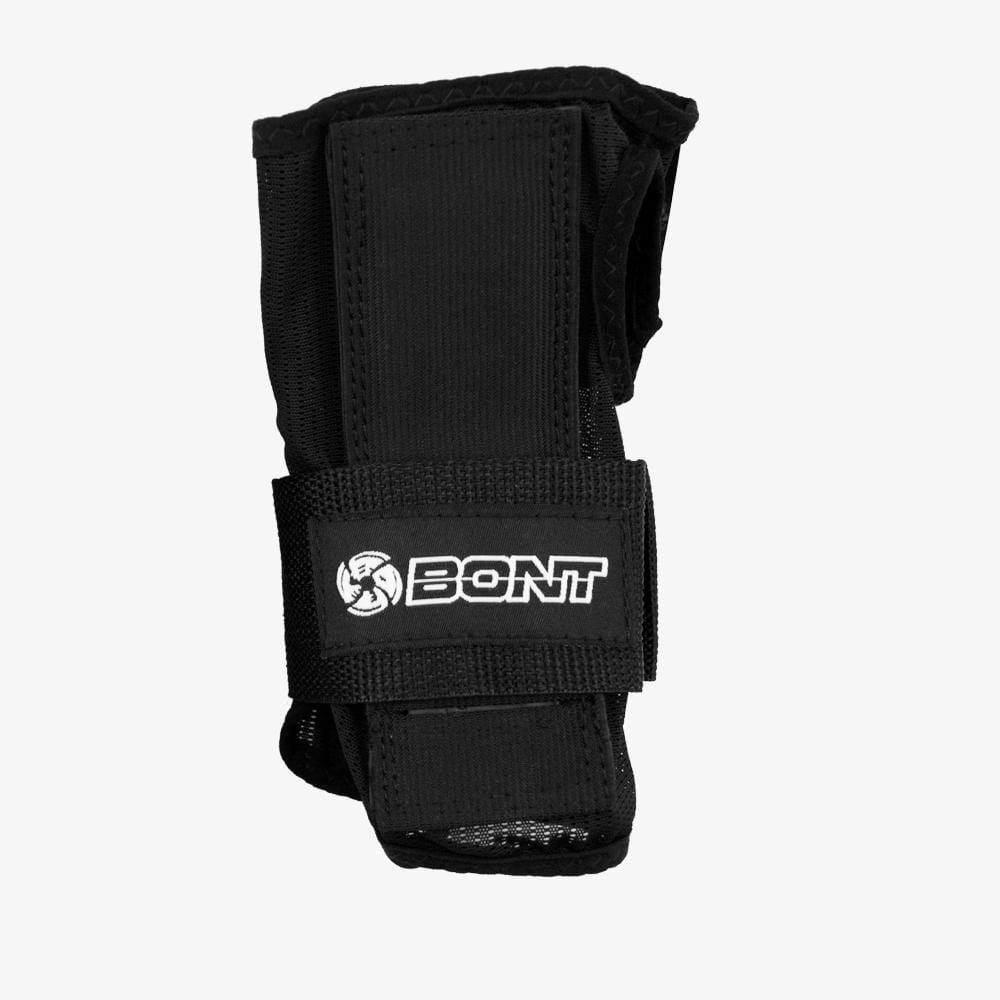
A new three-wheel setup should be paired with protective gear that fits correctly. The Bont adult skate wrist-guard listing below is one option to examine after checking its current measurement instructions, selected size, included pieces and return terms. This is not a product test, and a wrist guard does not replace a suitable helmet, knee and elbow protection, controlled speed or stopping skill.

A practical three-wheel skate checklist
- Measure both feet and compare the longer measurement with the exact size chart.
- Choose the wheel diameter for your control and route, not for the largest number.
- Check frame length, maximum wheel size and brake compatibility.
- Confirm the package contents, replacement wheels, bearings and axle hardware.
- Wear correctly fitted protective equipment.
- Use a flat, dry, low-traffic area for the first fit and stopping test.
- Recheck closures, wheels and hardware after the first few minutes.
Common three-wheel inline skate questions
Are three-wheel inline skates suitable for beginners?
Some recreational 3 x 100 mm models may be manageable for a new skater when they fit correctly and support dependable braking. However, three wheels do not automatically make a skate beginner-friendly. Boot support, frame length, ride height, route and instruction all matter.
Are 125 mm wheels faster than 100 mm wheels?
Larger wheels can maintain momentum well once moving, but speed also depends on technique, bearings, wheel material, surface and fitness. They take more effort to accelerate and raise the skater higher, so a larger diameter is not automatically the best real-world choice.
Can I put three wheels on a four-wheel frame?
Use only configurations specifically supported by the frame manufacturer. Removing a wheel from an ordinary four-wheel frame does not create a correctly designed tri-skate.
How often should three-wheel skates be rotated?
Inspect wear frequently and follow a rotation pattern compatible with the frame and wheel setup. Our inline skate wheel rotation guide shows common three-wheel patterns.
Choose the setup you can control repeatedly
The best 3 wheel inline skates are the ones that fit securely, match the route and let you turn and stop with a comfortable margin. Compare 100 mm, 110 mm and 125 mm options as complete systems: boot, cuff, frame, wheels, brake and replacement parts. A careful choice will be more useful than buying the largest wheels and hoping technique catches up later.
Editorial note: This is general equipment-selection information, not a product test, medical advice or safety certification. Follow the instructions supplied with the skates and protective equipment.
This article contains paid affiliate links. Speedskating.com may earn a commission from qualifying purchases at no additional cost to you.


